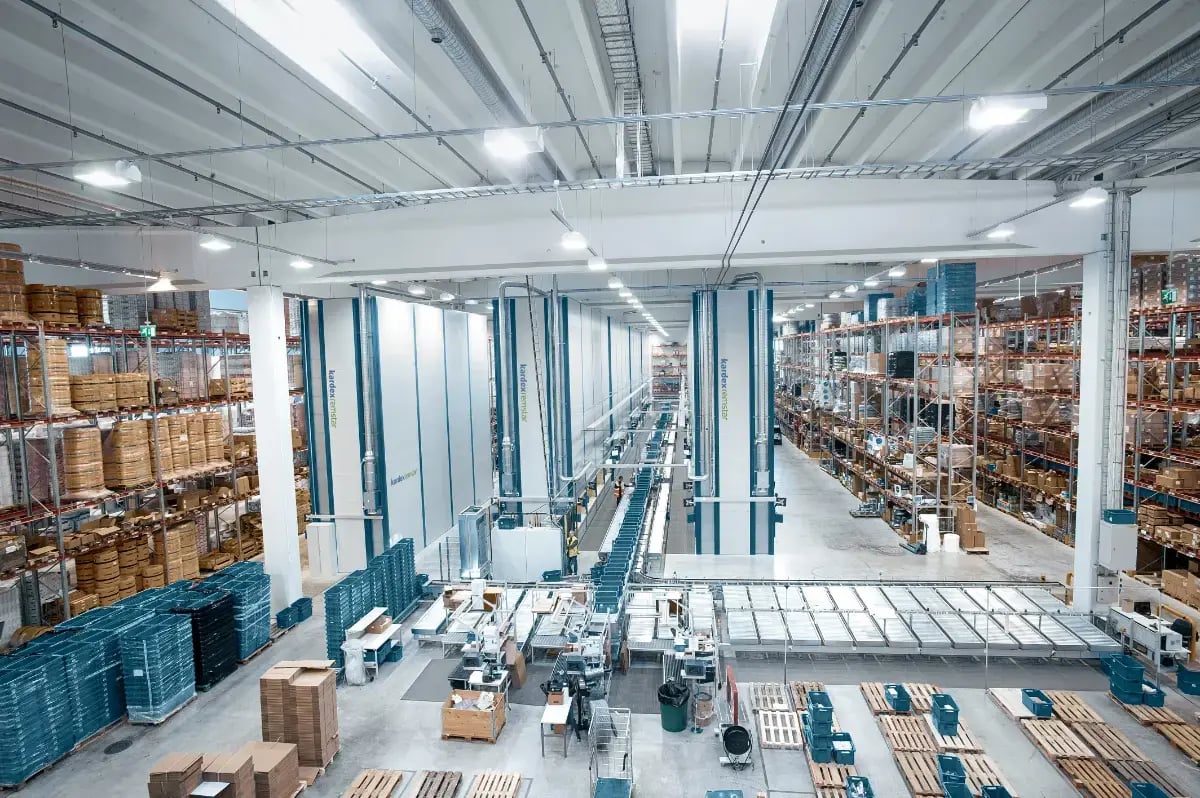
In a busy warehouse, lifting a box, reaching for a product on a high shelf or moving stock between picking locations can seem like routine activities. Yet when these tasks are repeated hundreds of times during a shift, they can place considerable strain on employees and increase the risk of injury.
For warehouse operators, manual handling injuries are more than a health and safety concern. They can also create significant hidden costs, affecting productivity, staffing, order fulfilment and long-term operational performance.
According to the Health and Safety Executive (HSE), an estimated 511,000 workers in Britain suffered from work-related musculoskeletal disorders (MSDs) in 2024/25. These conditions accounted for approximately 7.1m working days lost during this period. The transportation and storage sector also recorded a higher-than-average rate of work-related MSDs.
While not all musculoskeletal disorders are caused by manual handling, the figures highlight the scale of the wider workplace health challenge.
So, what does a manual handling injury really cost? And how do we reduce these costs while creating safer, more efficient working environments?
The immediate cost of employee absence
A back injury, muscle strain or repetitive strain condition may prevent an employee from performing their normal duties for days, weeks or longer. Depending on the severity of the injury, they may require temporary adjustments to their responsibilities or an extended period away from work.
For warehouse managers, this creates an immediate resourcing challenge.
Tasks still need to be completed, orders need to be dispatched, and service levels must be maintained. Other employees may need to cover the absent worker's responsibilities, additional shifts may be arranged, or temporary staff may be brought in. Each option comes with costs that can quickly accumulate.
Even when an absent employee returns to work, they may initially need adjusted duties or reduced physical workloads. Their return can therefore require further planning to ensure the work remains appropriate and safe.
The financial impact extends beyond the hours an employee misses. It can include recruitment, temporary labour, training, overtime and the time managers spend rearranging workloads.
For businesses operating with limited staffing flexibility, these costs can be particularly difficult to absorb.
Lost productivity and operational disruption
A warehouse is an interconnected operation. When one process slows down, it impacts other areas.
A manual handling injury may initially appear to be a staffing issue, but it can quickly become a wider operational problem.
For example, if an employee responsible for replenishing picking locations is absent, stock may not reach the required locations at the right time. Pickers may then have to wait for replenishment, search for alternative stock or interrupt their normal workflow.
Similarly, a shortage of experienced employees in goods-in or dispatch may create delays that affect the entire fulfilment process.
Operational disruption can affect several KPIs, including:
- Picking productivity: Fewer available employees or additional workload pressures can reduce the number of order lines processed per hour.
- Order accuracy: Staff working under increased pressure may be more likely to make picking or checking errors.
- Order turnaround times: Delays in replenishment, picking and packing can affect dispatch deadlines.
- Service levels: Late deliveries or incomplete orders can undermine customer confidence.
However, monitoring absence alongside productivity, overtime, picking accuracy and service performance can help businesses identify patterns and understand the wider impact of workplace injuries.
The financial burden of overtime
Overtime and temporary staffing can provide a short-term solution, but they bring with them additional expenses.
Overtime payments can increase labour costs, while agency staff may require higher hourly rates or additional supervision. New employees also need time to become familiar with warehouse layouts, safety procedures and operating systems.
If injuries occur repeatedly, these costs can become an ongoing operational burden rather than an isolated expense.
Then there’s the risk that relying on overtime can create further risks
Asking remaining employees to take on additional shifts or heavier workloads may help maintain output in the short term. However, excessive fatigue can affect concentration, decision-making and physical performance.
This can create a difficult cycle: an injury reduces staffing capacity, remaining employees face greater pressure, and the increased demands may create further safety risks if not properly managed.
Warehouse managers should therefore consider whether workloads, staffing levels and task design are sustainable, rather than relying exclusively on overtime to compensate for recurring capacity problems.
Recruitment, retention and the cost of losing experienced employees
The consequences of manual handling injuries do not always end when an employee returns to work.
Some workers may continue to experience discomfort or limitations that affect their ability to carry out physically demanding tasks. In certain cases, this can lead to changes in responsibilities, long-term adjustments or an eventual decision to leave the role.
Replacing an experienced employee can be expensive and disruptive. Recruitment, onboarding and training all require time and resources. Meanwhile, less experienced employees may take longer to complete tasks or need more support from supervisors.
There is also a less tangible cost: the loss of operational knowledge.
Experienced warehouse employees often understand where bottlenecks occur, how unusual orders should be handled and how to resolve common problems. When they leave, that knowledge can be difficult to replace immediately.
A company’s approach to workplace safety can also influence employee confidence and perceptions of their employer. When people see that their organisation takes physical wellbeing seriously, provides appropriate equipment, and responds to concerns, it can help build trust and support a positive safety culture.
On the other hand, recurring injuries and persistent discomfort may contribute to dissatisfaction and make physically demanding roles less attractive.
Investing in safer working methods is therefore not only a way to manage risk. It can also support employee wellbeing, retention and the development of a more stable workforce.
How automation can help reduce manual handling risks
In a warehouse, manual handling can result from repeated lifting and carrying, bending and twisting, and working at height or above shoulder level. Poor storage design and long working hours can contribute to injuries as well as impair recovery time.
Automation can play an important role in reducing the physical demands of warehouse work, particularly when applied to tasks involving repetitive movement, difficult-to-access inventory or the handling of heavier loads.
Under the UK's Manual Handling Operations Regulations 1992, employers must, where reasonably practicable, avoid hazardous manual handling operations. Where these cannot be avoided, they must assess the risks and reduce them as far as reasonably practicable.
Automation can help with this.
Automated storage and retrieval systems
Traditional shelving can require employees to walk between locations, bend to access low-level products or reach upwards to retrieve stock.
Automated storage and retrieval systems (ASRS) can change this process by bringing inventory directly to an operator at a designated access point.
For example, a vertical lift module (VLM) stores goods on trays within an enclosed vertical structure. When an item is required, the system retrieves the appropriate tray and presents it at the access opening.
This goods-to-person approach can reduce unnecessary walking and help limit repetitive bending, stretching and reaching associated with conventional storage methods.
Importantly, the benefits of automated systems depend on how the system is configured and used. Tray loading, access height, load weights and the handling of individual items still need to be considered to ensure that operators can work safely.
Mechanising the handling of heavier loads
For warehouses dealing with palletised goods or heavy components, appropriate lifting aids, conveyors and automated pallet-handling systems can reduce the need for employees to manually lift or move loads.
These solutions can be particularly valuable where manual handling is difficult to avoid through changes to storage or workflow alone.
A comprehensive assessment should consider the complete handling process, including loading, unloading, transfers and exceptions. Automating one stage does not necessarily remove the risks associated with the others.
Practical steps for reducing manual handling risks
Technology can make a meaningful contribution, but effective prevention starts with understanding how work is actually performed.
Warehouse managers can take several practical steps to identify risks and improve working conditions.
1. Review manual handling tasks. Identify activities involving repeated lifting, carrying, pushing, pulling or awkward reaching. Consider how frequently tasks occur and how they change during busy periods.
2. Improve storage and workstation design. Place frequently accessed items in suitable locations and minimise unnecessary bending, twisting and stretching. Review aisle widths, access arrangements and the position of packing and replenishment stations.
3. Introduce appropriate handling equipment. Consider lifting aids, trolleys, conveyors and other mechanical assistance where they can reduce the physical demands of handling operations.
4. Evaluate opportunities for automation. Assess whether automated storage and retrieval, goods-to-person picking or automated transport could remove or reduce specific high-risk tasks.
5. Train employees and involve them in improvements. Workers are often well placed to identify awkward movements, recurring problems and practical opportunities to improve workflows. Training should complement effective task design and risk controls, rather than being relied upon as the sole solution.
6. Review workloads and work patterns. Consider task duration, repetition, staffing levels, fatigue and opportunities for recovery. Work rotation alone is not a substitute for reducing the underlying risks.
7. Monitor outcomes and update assessments. Review incidents, near misses, employee feedback and operational data regularly. Reassess risks whenever equipment, products, layouts or work processes change.
It’s important to monitor whether your changes are having an impact. Useful indicators may include:
- Manual handling incidents and reported near misses
- Work-related musculoskeletal absence
- Overtime and temporary labour expenditure
- Picking rates and order accuracy
- Employee feedback on physical demands and workstation ergonomics
- Completion of risk assessments and implementation of corrective actions
Tracking these measures before and after changes can help determine whether interventions are delivering the intended results.
The goal is to make prevention an ongoing part of operational improvement rather than a response to individual incidents.
A safer warehouse can be a more efficient warehouse
Manual handling injuries carry consequences that extend well beyond the initial incident. Employee absence, overtime, recruitment, reduced productivity and operational disruption can all place additional pressure on UK warehouse businesses.
Prevention begins with good risk management, appropriate equipment and effective workplace design. In many operations, automation can strengthen this approach by reducing repetitive handling, improving access to inventory and limiting unnecessary movement.
By treating employee wellbeing as an integral part of warehouse performance, businesses can work towards safer operations, more resilient teams and a more sustainable approach to productivity.
Looking to improve safety and efficiency in your warehouse? Explore Kardex's warehouse picking solutions to discover how automated goods-to-person technologies can support more ergonomic and efficient picking processes, or contact the Kardex team to discuss your requirements.