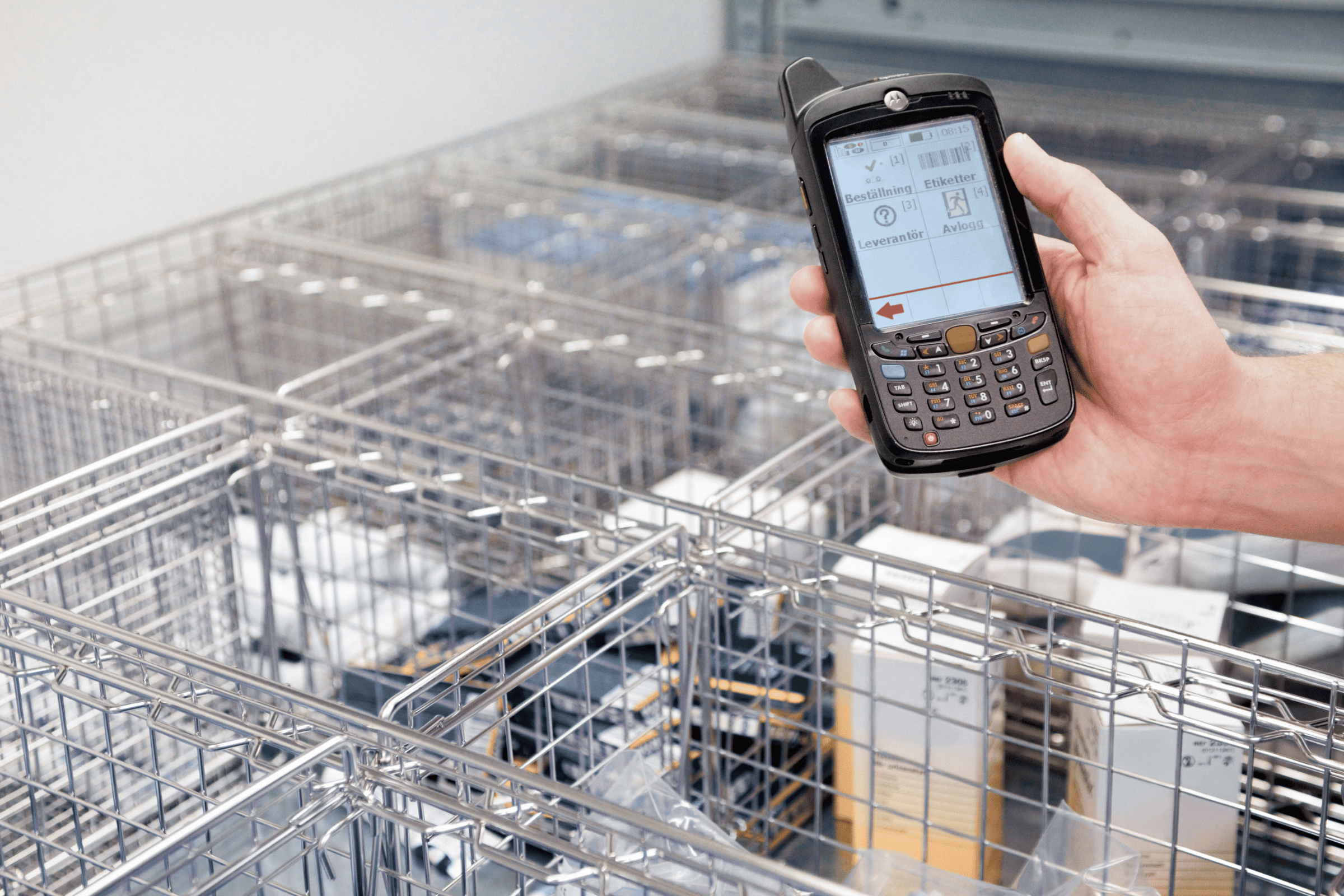
Keeping the right stock available at the right time depends on reliable, carefully balanced inventory replenishment practices. When replenishment falls behind demand, warehouses face stockouts, delayed orders, and expensive rush purchases. When it runs ahead of demand, excess inventory ties up working capital and consumes valuable storage space.
Getting that balance right requires both accurate inventory records and visibility into how stock moves through the operation. In a Kardex survey of warehouse professionals, 62.3% identified inventory control as a top challenge, while 30.2% cited visibility. Both directly affect a warehouse’s ability to determine when replenishment is needed and how much stock to bring in.
In this guide, we’ll explain foundational inventory replenishment methods, how to establish reorder points, and practical ways to improve the process in your warehouse. From there, we examine how automation and software can help teams replenish stock more consistently as operational demands grow.
What Is Inventory Replenishment?
Replenishment is one aspect of broader inventory management, which encompasses decisions about what to stock, how much to carry, and how to store, track, and control it. Replenishment focuses specifically on when and how much to reorder or transfer to maintain availability.
Why Replenishment Goes Wrong
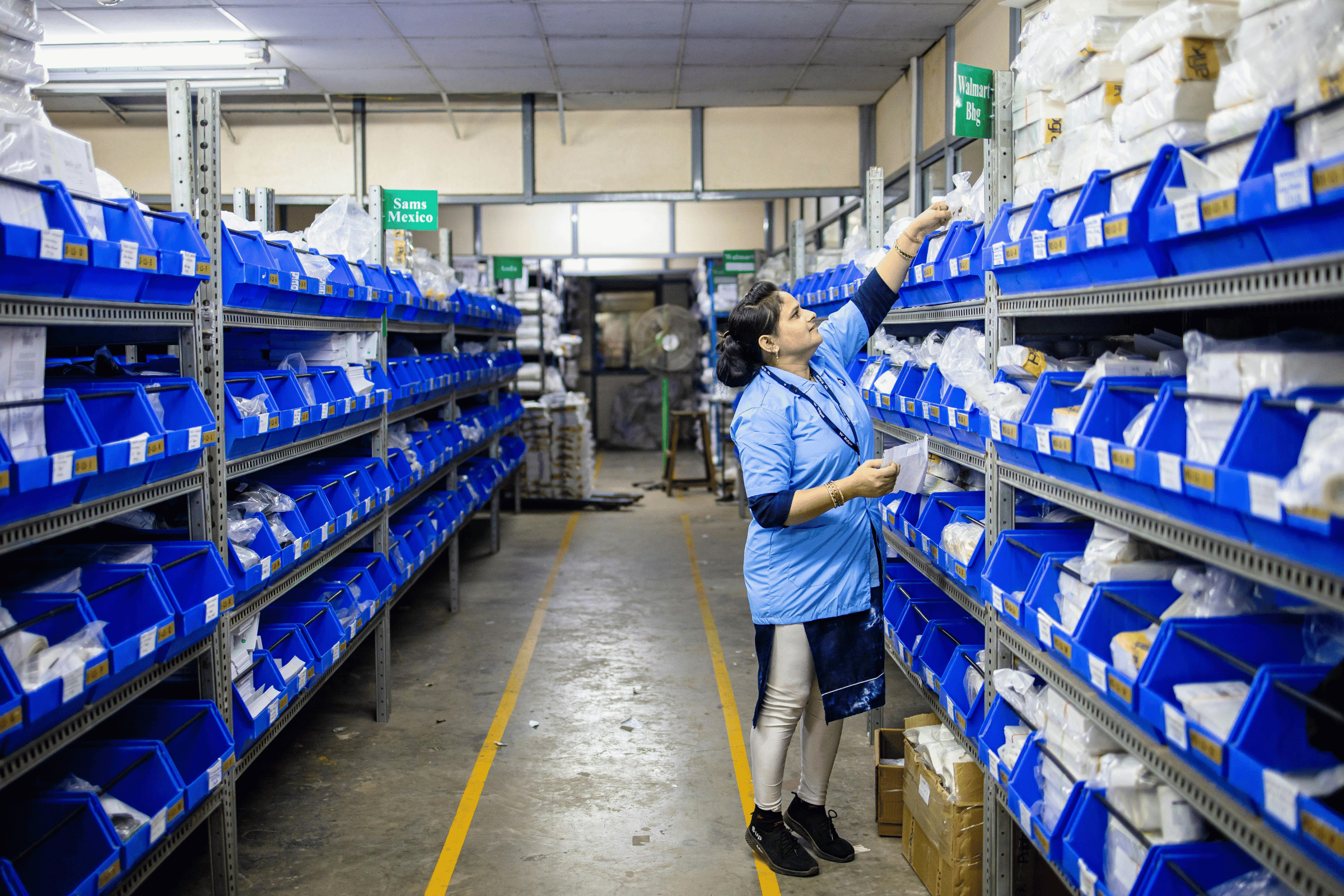
Replenishment problems often begin with gaps in the information or processes used to initiate a reorder or transfer:
- Manual triggers: Replenishment depends on someone noticing low stock and taking manual action, making it easy to miss refills during busy periods.
- Inaccurate stock data: Incorrect or outdated quantities and locations can hide shortages or prompt unnecessary orders for inventory that is already available.
- Undefined reorder points: Without established replenishment thresholds, employees rely on individual judgment, creating inconsistent replenishment decisions.
- Delayed visibility: Receipts, picks, and transfers recorded after the fact leave teams making decisions based on outdated stock levels.
- Overlooked supplier lead times: Reorders happen too late when replenishment plans fail to account for delivery times or changes in supplier performance.
How to Set Reorder Points and Safety Stock
A reorder point combines the inventory needed to cover normal demand during replenishment with a safety stock buffer for unexpected demand or delays:
Setting that threshold starts with historical usage and supplier delivery data:
- Establish expected lead-time demand. Multiply average daily usage by average replenishment lead time. This estimates how much inventory the operation will consume while waiting for replacement stock.
- Calculate the safety stock buffer. Use historical demand and delivery variability rather than choosing an arbitrary percentage. One approach compares maximum daily usage and maximum lead time with their respective averages to estimate the additional protection needed.
- Combine the two. Add safety stock to expected lead-time demand to establish the replenishment trigger. Review both inputs as usage and supplier performance change.
For the safety stock calculation and guidance on selecting the right inputs, see our Safety Stock Formula guide.
In the next section, we take a look at different methods for managing reorder points depending on your warehouses most important challenges.

Inventory Replenishment Methods
Replenishment methods establish when to reorder or transfer stock and how much to bring in. Warehouses may use different methods across their inventory depending on demand patterns, supplier reliability, inventory turnover, and the importance of keeping each item available to customers.
Reorder point method
The reorder point method simply triggers replenishment when inventory reaches a calculated threshold, as described above.
That threshold accounts for expected demand during the replenishment lead time, plus safety stock to cover variability. This buffer stock allows the remaining inventory to support operations while replacement stock is on its way.
The approach works well when teams can monitor inventory consistently and maintain reliable demand and lead-time data.
Min/max (par level)
Min/max replenishment establishes a minimum inventory threshold and a maximum target level. When inventory reaches the minimum, the operation orders or transfers enough stock to bring it back toward the maximum, accounting for quantities already on order.
This provides a straightforward way to replenish routinely used items without calculating a new target for every order. Minimum and maximum levels should be reviewed as consumption patterns change so familiar settings do not gradually create shortages or excess stock.
Periodic / fixed-interval review
Periodic replenishment reviews inventory on a set schedule, such as weekly or monthly. At each review, the operation determines how much stock is needed and places an order or initiates a transfer accordingly. The review occurs regardless of the current stock level; replenishment quantities depend on the need identified.
This method can simplify purchasing schedules and consolidate orders. However, inventory must cover demand through both the next review period and the time required for replenishment to arrive.
Demand-driven / just-in-time
Demand-driven replenishment uses actual orders, consumption, or other current demand signals to initiate refills. This dynamic approach helps inventory respond more closely to operational needs as they change. We take a deeper look at demand-drive inventory management here.
Just-in-time applies a closely related approach by timing deliveries or transfers near the point of use to minimize inventory held in advance. It requires dependable supply and coordination because smaller buffers leave less room for unexpected delays or demand spikes. We take a deeper look at how to balance lean inventory with supply resilience in our Just-in-Time vs. Just-in-Case guide.
Replenishment for Retail and Multi-Location Operations
Retail replenishment must keep stock available where customers actually buy it. A popular item may sell out at one store while sitting untouched across town. Online orders may draw from the same inventory serving walk-in shoppers, while seasonal promotions create sharply different demand across locations.
To optimize replenishment, retail and distribution teams need a shared view of stock on hand, inventory committed to orders, and incoming deliveries or transfers. That visibility supports decisions such as:
- Replenishing by local demand: Adjust quantities to reflect each store’s sales patterns, assortment, and promotional activity.
- Preemptive transferring: Identify surplus stock at another location that could cover a shortage sooner than a supplier order.
- Allocating limited inventory: Direct available stock toward locations with the most urgent demand while accounting for transfer time and cost.
- Coordinating warehouse and shelf availability: Ensure inventory arriving at a distribution center continues through store delivery, backroom storage, and shelf replenishment.
- Keep inventory records current. Record receipts, picks, and transfers as they occur so replenishment decisions reflect available stock.
- Respond to changing demand. Use recent consumption, upcoming promotions, and seasonal patterns to adjust replenishment settings before shortages or surplus inventory develop.
- Track actual supplier lead times. Compare expected and actual delivery performance so reorder triggers provide enough time for replacement stock to arrive.
- Automate replenishment triggers. Have inventory software flag or initiate replenishment when defined thresholds are reached, reducing reliance on employees checking quantities throughout the day.
- Manage exceptions. Direct employee attention toward delayed deliveries, unusual consumption, and unresolved replenishment tasks that require intervention.
Our Centralized Inventory Management guide explores how a shared inventory view supports coordination across locations.
How to Optimize Replenishment
Replenishment methods and reorder points establish the rules, but reliable execution depends on how quickly the operation can recognize and respond to a need. As SKU counts and transaction volumes grow, checking stock manually becomes a substantial workload (and a potential source of delays).
Optimizing that process requires several connected improvements:
If executed consistently, these practices make replenishment a continuous process where employees spend less time determining which items need attention and more time resolving the issues that could interrupt availability
Using ASRS to Automate Inventory Replenishment
Automated storage and retrieval systems (ASRS) digitally connect the improvements outlined above with the physical work of storing and moving inventory. Integrated with inventory management software, an ASRS can automatically trigger replenishment when stock falls below a predetermined threshold. This capability effectively closes the gap between inventory reaching its reorder point and someone recognizing the need to act.
Goods-to-person storage also brings inventory directly to an operator, reducing the walking, searching, and manual location decisions involved in completing replenishment tasks.
Signs Your Replenishment Process Needs an Upgrade
- Stockouts recur even when the system shows inventory available.
- Rush purchases and expedited freight routinely cover shortages.
- Overstock grows while other items remain difficult to keep available.
- Employees manually check stock levels to decide when to reorder.
- Reorder points have not been established for regularly replenished items.
Learn More About Optimizing Replenishment Through Automation
When considering a warehouse automation strategy for replenishment and beyond, the next step is understanding how automated replenishment would fit your inventory, staffing, and daily workflows. Kardex can assess your current process, identify opportunities to reduce manual work, and help you evaluate an appropriate combination of automated storage and inventory management software.
For teams considering the transition, visiting an existing customer site can make the benefits more tangible. Seeing how employees replenish inventory in a working installation provides a practical view of what could change in your own warehouse.
Once an automated system has been implemented, employees often have trouble imagining managing replenishment in any other way. Jeff Peters, Regional Business Director at Kardex Remstar, explains:
"After moving to automated replenishment, our customers usually say, ‘We wish we knew about this five years ago!’ All the questions that used to keep them up: do I have enough, do I have too much, is it going to be obsolete, do I have to count this by hand — just go away.”
Jeff Peters
Regional Business Director at Kardex Remstar