
If you have ever asked, “So what does a Vertical Lift Module cost?”, you already know the frustrating answer:
“It depends.”
That’s not a dodge.
About the expert
 For an expert perspective, we interviewed Jeff Peters, Regional Business Director at Kardex.
Jeff Peters is a Regional Business Director at Kardex Remstar with nearly 30 years of experience in automated storage, material handling, and custom automation design. Throughout his career, he has helped manufacturers, distributors, and service organizations evaluate, design, and implement large-scale storage and retrieval systems, including Vertical Lift Modules (VLMs). Jeff specializes in guiding customers through complex ROI decisions, from space utilization and ergonomics to throughput and lifecycle cost. He works closely with channel partners and end users to ensure each solution is engineered for long-term performance and reliability.
When someone asks for a quick price, Jeff's first response is, “How much does a car cost?”
Buying a VLM is a similar process. You can buy the compact base model with manual windows, or you can completely spec out your SUV with all-wheel drive, heated seats, and a tow package. Same category, very different price points.
A Vertical Lift Module, like the Kardex Shuttle VLM, will cost you around $6,000 - $8,000 per vertical foot, as a starting point.
But what factors impact your cost?
This comprehensive guide walks you through the major factors that influence VLM pricing so you can:
- Understand why quotes vary so much
- Ask smarter questions when you talk to vendors
- Build a realistic budget and ROI case for your operation
Ready to dive in? Let’s get started.
Why There is No Single Price for a VLM
Every VLM quote is shaped by a few big questions:
- How tall, wide, and deep does the machine need to be?
- What are you storing, and how heavy or sensitive is it?
- Where will the unit live, and what does the environment require?
- How connected does it need to be to your software and other automation?
- How will you implement it, train people, and keep it running over time?
That is why Jeff leads with expectations, not price.
If you keep that mindset in view, the cost conversation gets much easier. You are no longer comparing “one VLM versus a cheaper VLM.”
You are comparing:
- The risk and cost of staying with shelving or static storage
- The performance and reliability of one vendor versus another
- The impact on space, labor, ergonomics, accuracy, and inventory control
From here, we can break the investment into manageable pieces.
The Cost of the Base Machine: Size, Configuration, And Height Economics
The first layer of cost is the machine itself.
Four factors matter most when it comes to the cost of your Vertical Lift Module:
- Height
- Width
- Depth
- Weight capacity
Vertical height is the big one, both technically and economically.
Most automated systems are a combination of moving components and static storage structures, and the moving parts are the most expensive portion. Expanding the static storage area is relatively inexpensive by comparison, which is why the cost per cubic foot typically goes down as the system gets larger.
In practical terms, it means:
- A taller VLM often has a higher total price than a shorter one, but
- The taller unit usually delivers more storage per dollar invested
So, a 32-foot unit is often more cost-effective per cubic foot than a 28-foot unit, because you are spreading the cost of the controls, lift mechanism, and access opening over more storage capacity.
Height also decides whether a VLM is the right tool in the first place.
In buildings with plenty of vertical clearance, a VLM is usually the best way to recover space. In lower spaces, a Vertical Carousel Module (VCM) such as a Kardex Megamat might be more appropriate.
Width and depth matter too, but mostly in terms of product fit and ergonomics, not dramatic swings in base cost. You will typically size width and tray depth around:
The size and shape of your totes or cartons
Maximum allowable tray weight
Whether operators can comfortably reach the back of the tray or need assist devices
The takeaway: use as much vertical height as your building and application allow. It usually improves the economics of the system rather than just making it “a bigger, more expensive machine.”
Options, Add-Ons, and Performance Feature Costs
Once you have a base configuration, the next cost layer comes from features and options. This is where two VLMs with the same height and footprint can end up at very different price points.
Think in two categories: big-ticket options and low-cost, high-value upgrades.
Big-Ticket Options
These tend to add more cost, but they also unlock specific capabilities.
Tray extraction devices and handling equipment
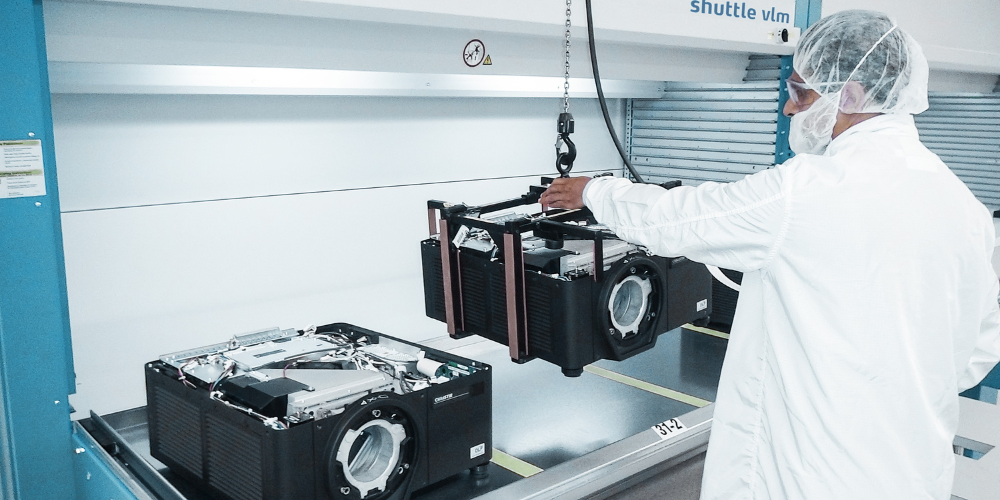
If you store heavy or long items, asking operators to reach deep into trays all day can create potential safety and ergonomics issues. Tray extraction devices, arms, or trolleys that bring the load out of the access opening add to the quote, but they also reduce strain and the risk of injury, especially in manufacturing or tooling environments. Industry best practices highlight ergonomic lifting aids as a key way to reduce workers’ compensation claims.
Multiple access openings
Front and rear access, or multiple access points on different levels, require additional controls, guarding, and sensors and remove some storage positions at those levels. They make sense in use cases like:
Cleanroom pass-through between “dirty” and “clean” sides
Multi-level facilities where operators on each floor need direct access
Jeff’s experience is that many teams like the idea of multiple openings, but tend to use only one. His common-sense advice is to start with a single opening, prove the workflow, and add more later if there is a real process need.
Low-Cost, High-Value Features
Some options do not move the price much, but they significantly improve safety and usability.
Photo eyes and overhang detection
Additional photo eyes or light curtains at the rear of trays can detect overhanging or oversized items before a crash, protecting both the machine and the inventory. Features like these are relatively inexpensive insurance compared to the cost of repairs or downtime.
Confirmation or task bar
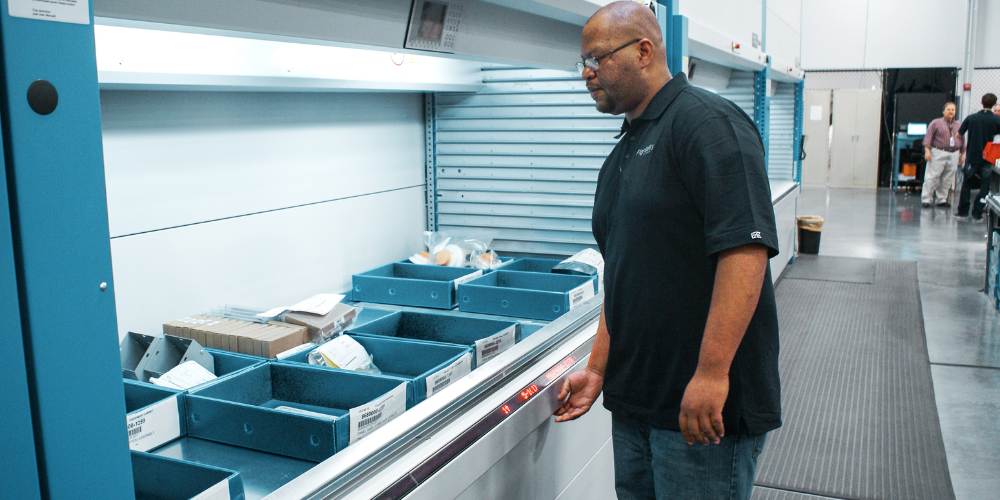
An operator display at the access opening that shows part number, quantity, and a visual countdown is standard in most Kardex Shuttle installations. It plays a big role in pick accuracy and training speed without representing a major cost driver.
The key is to match options to real use cases, not to build a “kitchen sink” system just because the catalog allows it.
Jeff regularly sees competitors quoting the same oversized, fully loaded configuration for almost every opportunity. Kardex takes the opposite approach: specify what is needed to hit your objectives, and skip what you will never use.
Environment, Site Conditions, And Installation Reality
The next cost driver is everything around the machine.
Operating Environment
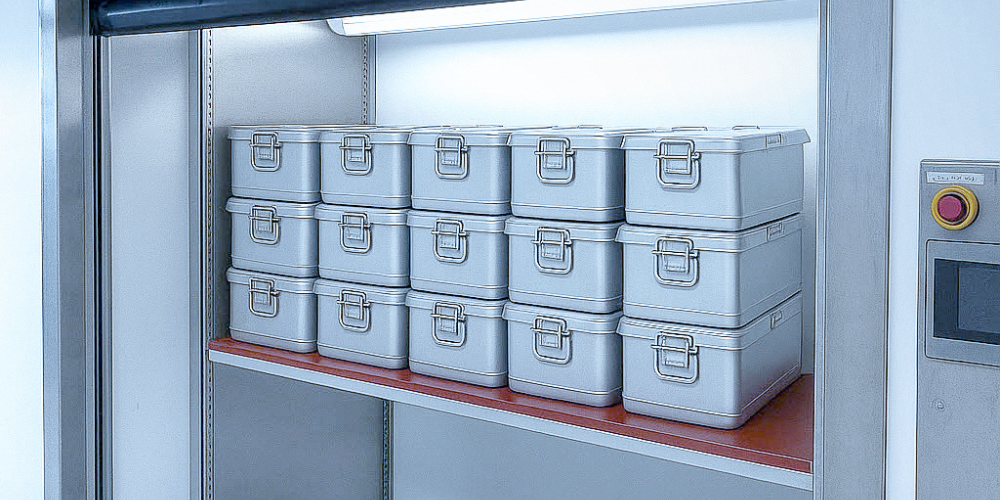
Where the VLM will live matters:
- Cleanroom and climate-controlled environments (cold, hot, or very dry) require special sealing, finishes, and components.
- ESD-sensitive products, pharmaceuticals, food, and hazardous materials may require specialized trays, liners, or construction.
- Facilities in seismic zones may need additional structural bracing and anchoring.
- Facilities storing combustible or hazardous materials may need specialty fire protection systems, like Fike
All of this adds cost but can be non-negotiable for compliance and risk management, especially in controlled industry segments.
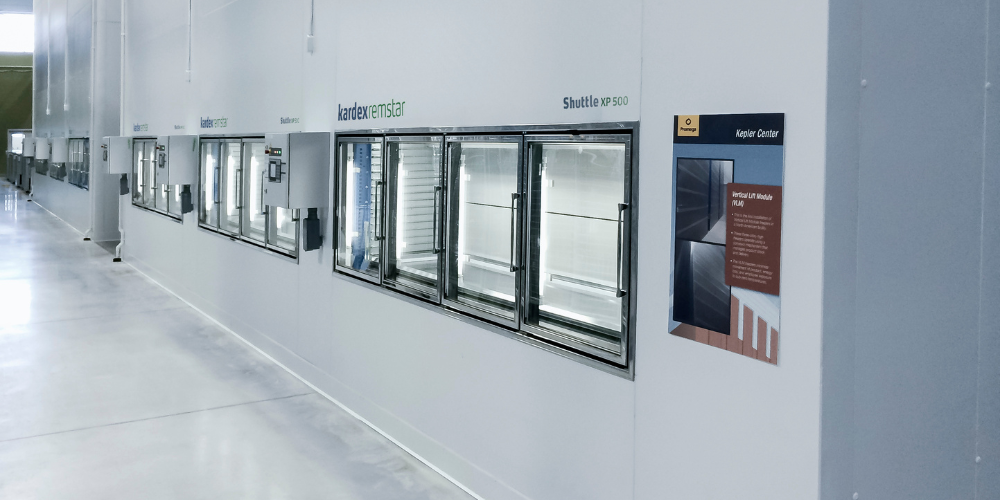
Building Layout and Access
Delivery and installation are a distinct line item in ASRS cost breakdowns. To install a VLM, you need to think about:
- Door and aisle widths from the dock to the final location
- Whether large machine components can be moved intact or need to be uncrated in a staging area
- Overhead obstructions like sprinklers, ductwork, and conduit at the final location
- Availability (or rental) of forklifts, pallet jacks, and scissor lifts
- Permitting and availability of labor
- Work hours and availability
Miss any of these, and you can end up paying for workarounds, such as:
- Temporary removal or relocation of building infrastructure
- Additional rigging services
- Extra days of on-site labor
This is why Kardex and its partners insist on comprehensive site walks and clearances where the machine will actually sit. We never rely on generic building drawings. Good planning does more to control real installation cost than squeezing a few dollars out of the base machine price.
Kardex only permits factory-trained, certified personnel to install and service our equipment.
Expert Consideration: One surprising extra cost that facilities should consider? Dumpsters and waste removal. “The sheer volume of cardboard, crates, old shelving, and debris that has to be removed and disposed of during installation. Budgeting for dumpsters and waste removal can be a surprising secondary cost.”
Your Kardex installation expert uses a comprehensive checklist to help you understand every step of the installation process, and all the considerations that need to be made prior to installation.
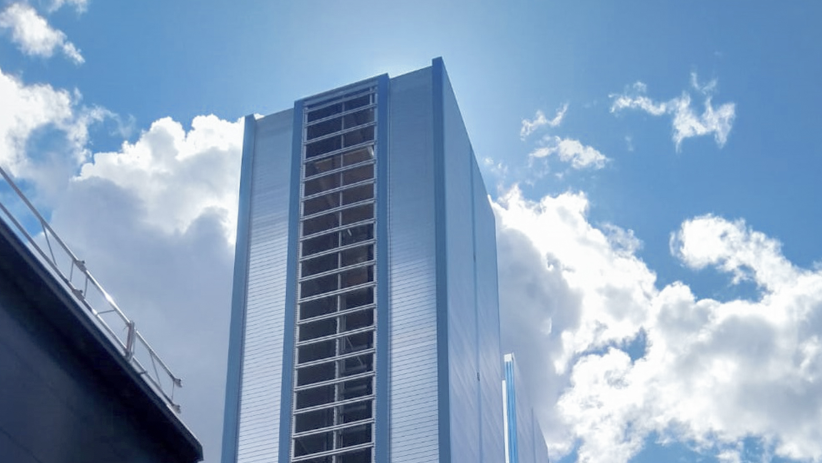
Did you know? You can build your VLM outdoors. Yes, you read that right. Check out our complete guide to outdoor VLMs here.
Implementation, Bins, Dividers, and the Parts Move
Buying a VLM is one thing. Getting your inventory into it and organized is another. Implementation is one of the most underestimated cost categories.
Bins, Totes, And Dividers
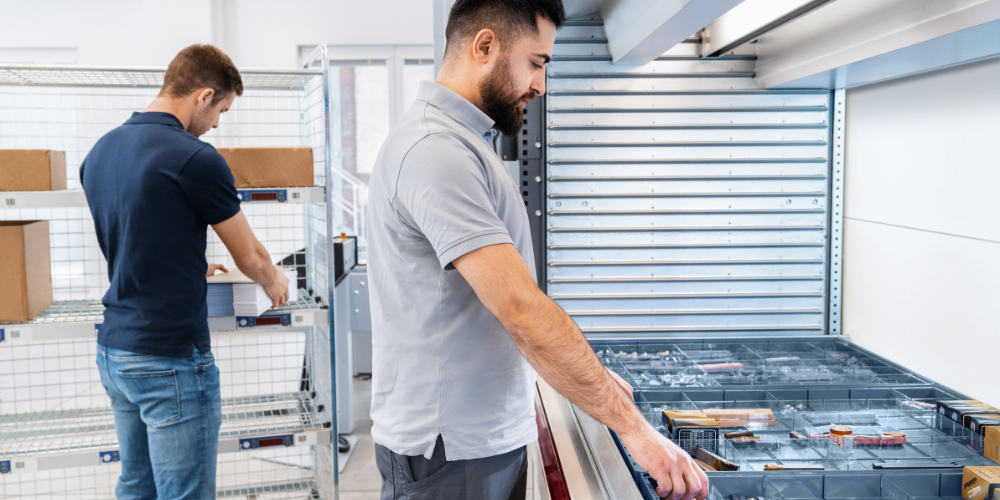
Most ASRS systems, including VLMs, achieve their space and productivity gains when inventory is stored in well-designed bins and subdivided locations, not loose on trays.
Totes, bins, and dividers:
- Protect product from damage and contamination
- Allow you to create right-sized compartments for different SKUs
- Make counting, auditing, and picking faster
Guidance from Jeff is blunt on this point: if you invest in a six-figure machine and try to save a few thousand dollars by skipping proper dividers, you are undermining your own ROI.
The Parts Move
Once the machine is installed, you have to get everything into it. That involves:
- Designing a location scheme
- Labelling and possibly re-packaging inventory
- Physically moving parts from old storage into the VLM
Jeff likes to remind our customers that the parts move as one of the most commonly overlooked expenses. And something that competitors aren’t always transparent about.
Many teams start with a “we can do it ourselves” mindset, then realize it can take days or weeks of painstaking work to configure locations and move everything accurately.
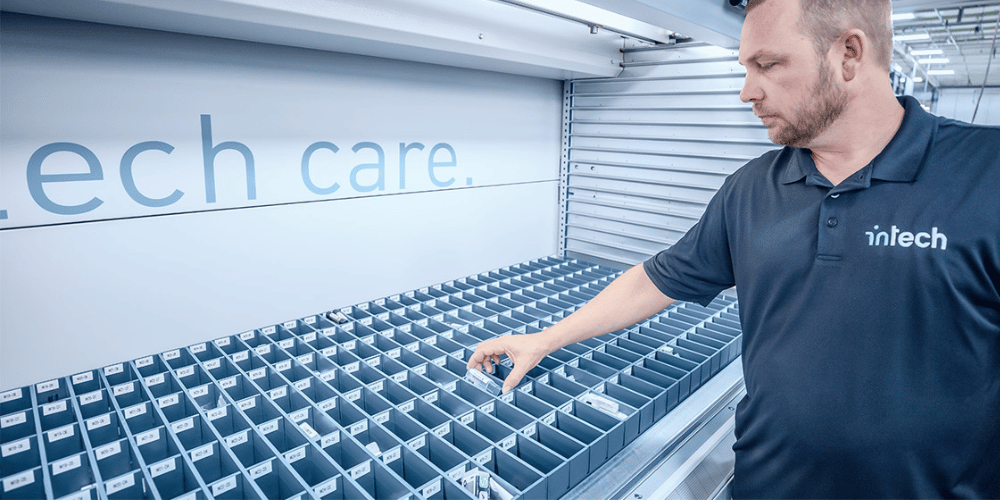
That is why Kardex often recommends having an expert advisor manage the implementation, including machine interaction design and the parts move. Kardex offers this as a white-glove add-on service. A well-planned move can be executed over a weekend with minimal impact to operations, but it requires time and resources that need to be in the budget.
>> Learn more about how to organize your VLM inventory in our guide.
Expert Consideration: Jeff calls out the ‘in-between’ state: when you’ve torn down your shelving, but the VLM isn’t quite live yet. You still need somewhere to store your product and keep picking. For some facilities, that can mean renting an outdoor trailer or box, using temporary shelving or a spare area of the building, or even renting extra space if your facility is tight. We can help you solve for this during the planning stage.
The key takeaway here: bins, dividers, and implementation services are not “nice to have.”
They are what turns a VLM from a fancy cabinet into a productive, accurate storage system.
Expert Consideration: If your facility requires site-specific safety training (videos or courses), for installers to be added to approved vendor-databases (like ISNet), or for vendors to meet specific insurance, licensing, or citizenship requirements, that can introduce time and potential cost considerations.
Software, Integration, and Advanced Automation
Next comes the question of brainpower.
Inventory Management Software
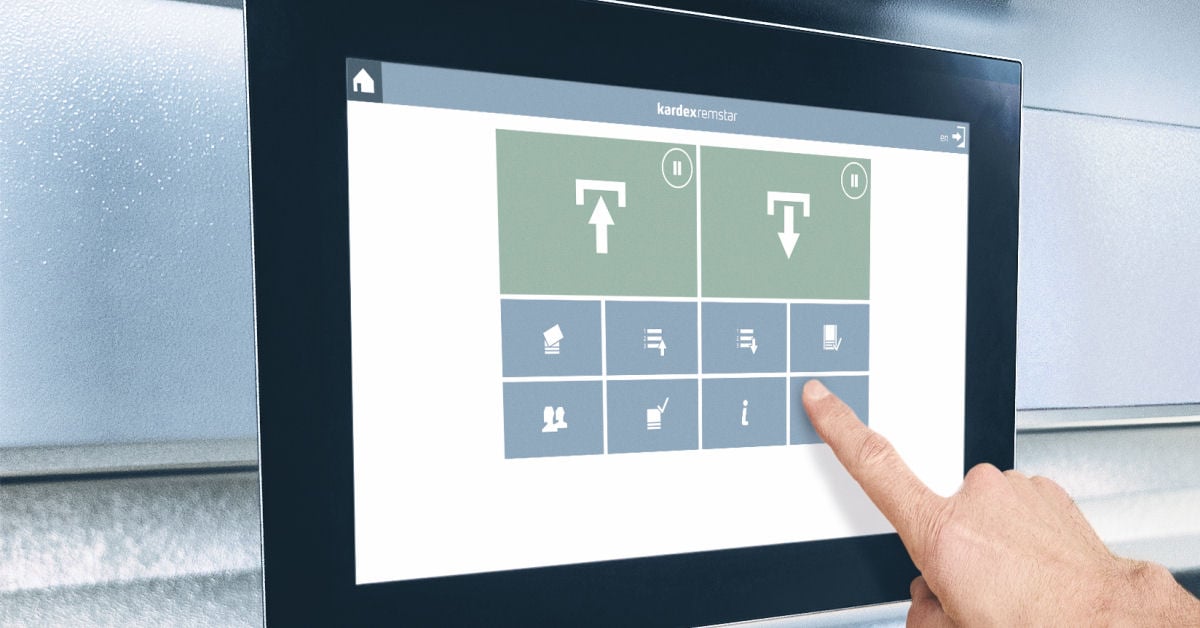
Most ASRS technologies include basic onboard controls. Many operations, though, quickly outgrow simple “up, down, pick from tray 12” functionality. Inventory Management Software such as Kardex Power Pick System gives you:
- Centralized inventory tracking
- Order picking logic and batching
- User permissions and audit trails
- Reporting and performance statistics
Software is often sold in tiered packages, where cost increases as you add features. That modular approach keeps you from paying for capabilities you do not need on day one.
For more advanced operations, that software integrates directly with your WMS or ERP, which adds up-front effort and cost but eliminates manual data entry and duplicate records.
Integration With Other Warehouse Automation
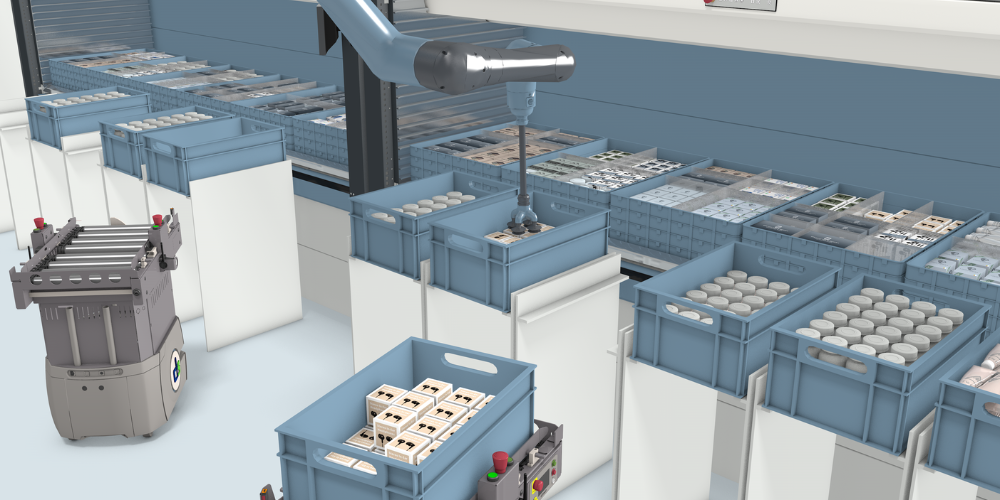
Some VLM projects are stand-alone. Others are part of a larger automated flow that may include:
- Conveyors
- Autonomous mobile robots
- Packing automation
- Robotics picking from the VLM access opening
The more automation you connect, the more engineering, safety design, and control work is required.
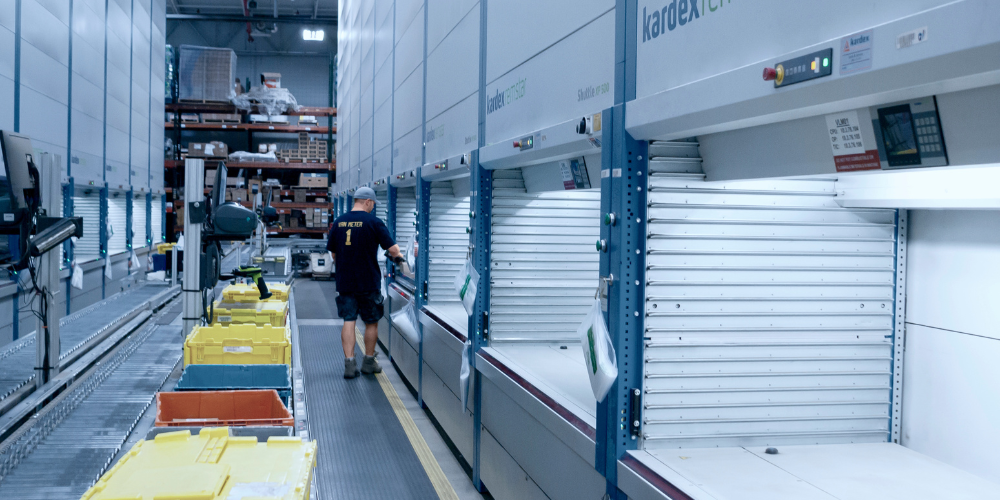
For example, a robot picking directly at the access opening will require additional guarding and safety validation beyond a manually operated system.
The big idea: software and integration are not “hidden charges.” They are levers that determine how much labor you can remove, how accurate your operation becomes, and how easy it is to scale.
Ongoing Costs: Maintenance, Training, and Re-slotting
A VLM is a long-term asset. Planning for ongoing costs is part of buying one wisely.
Training and Retraining
Basic user training is included with the equipment and software. But ASRS best-practice guidance recommends budgeting for updated training as people become more comfortable with the system or as staff turns over. A short refresher a few months after go-live allows operators to ask better questions and adopt more advanced features.
A “train the trainer” model works well, but occasional sessions from the manufacturer help prevent bad habits from creeping in.
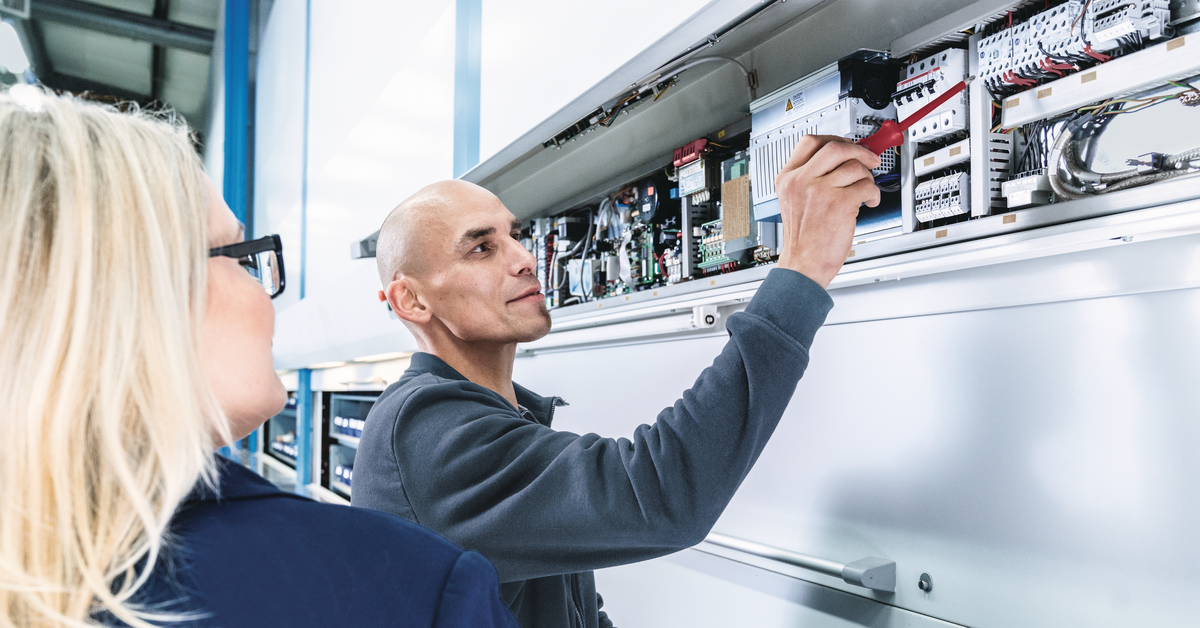
At Kardex, we visit your facility 2x a year for standard maintenance. Our team is happy to retrain your staff and make sure you’re getting the most ROI from your system during that visit.
Preventive Maintenance
“If you do not plan for maintenance, your machine will plan it for you.”
During the warranty period, manufacturers often include or require scheduled maintenance visits. At Kardex, our team services your machine twice a year. Depending on your setup, you may need a more robust service package. Regular preventive maintenance reduces unplanned downtime and extends system life.
Re-slotting and Optimization
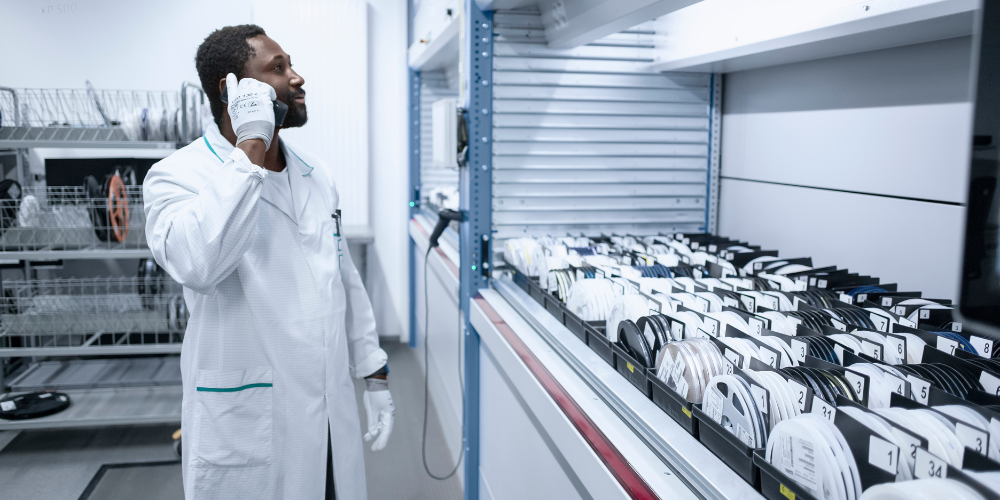
Over time, “hot” SKUs become slow movers and vice versa. Jeff recommends regularly analyzing your inventory and re-slotting as needed to keep fast movers in the most accessible locations. There may not be a hard invoice tied to this work, but your time and labor are real soft costs.
The good news? Kardex customers can utilize Kardex Power Pick System data and built-in tray shuffle capabilities to keep cube utilization high and travel time low.
Budgeting And ROI: Evaluating Cost in Context
At some point, this all has to pencil out.
At the end of the day, you can break VLM costs into:
- Equipment and technology
- Software and controls
- Delivery and installation
- Implementation into your processes
- Ongoing training and maintenance
On the other side of the equation are benefits such as:
- Reduced labor requirements
- Higher pick accuracy
- Better inventory control
- Space savings and avoided building expansion
- Improved safety and ergonomics
Want to see how much a VLM could save your operation?
Our interactive cost justification calculator will help you determine how fast your team will see ROI from your investment.
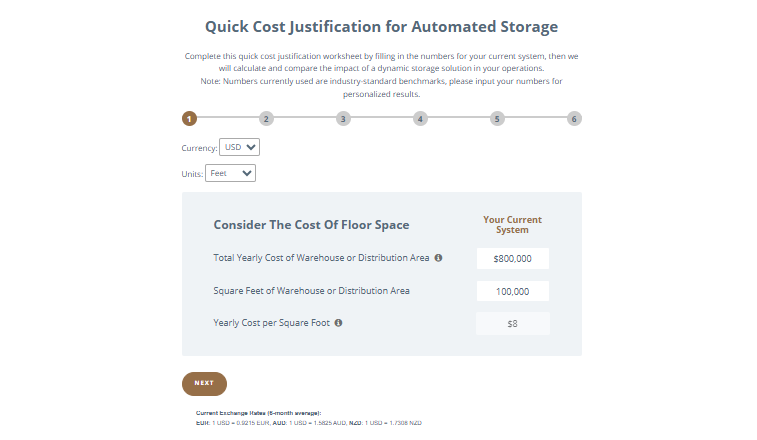
At Kardex, we help our new customers build their ROI model built from your own numbers, including space, productivity, ergonomic issues, and security. The result is a payback timeline that finance leaders can understand and defend.
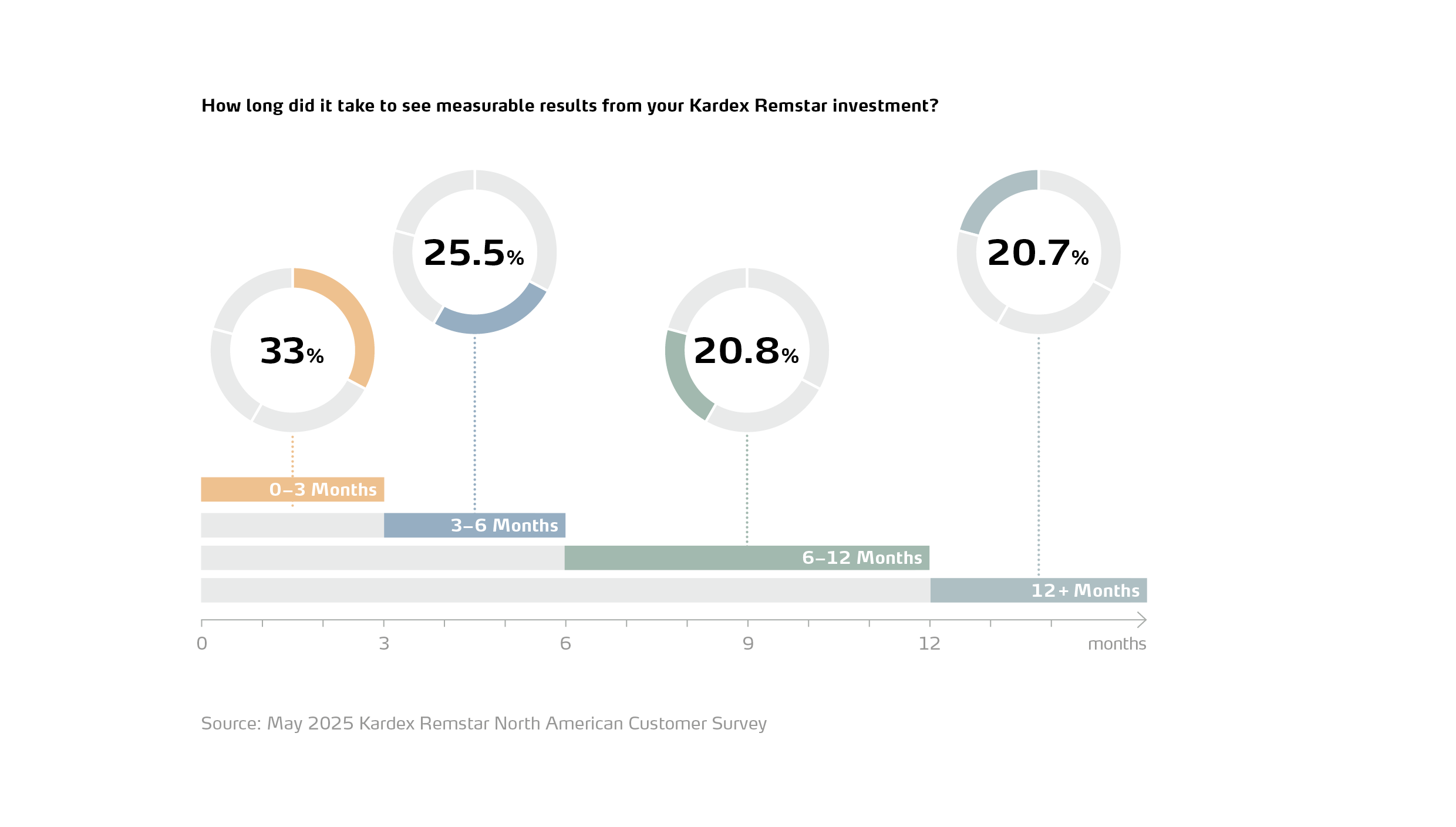
Typical paybacks for dynamic ASRS solutions are often under 12 months, thanks to compound savings in labor, space, and errors. Jeff notes that some customers have even justified systems purely on safety and ergonomics.
According to a 2025 survey of Kardex Remstar customers, 80% saw ROI before the first year, and 33% achieved payback in the first 3 months.
In one case, a company invested roughly $300,000 in automation largely to eliminate repetitive-strain injuries. The cost of previous workers’ compensation claims meant the ergonomic benefits alone paid for the system in about a year.
Here at Kardex, we don’t just stop at the proposal.
After the estimated payback period, teams often go back to validate whether the ROI was actually achieved, using that data to refine future projects and build internal case studies.
So, How Much Does a VLM cost?
There is no single number, and any vendor who gives you one without asking about your facility, inventory, and goals is guessing. A realistic evaluation will consider:
- The size and configuration of the machine
- The options and performance features that match your workflow
- Your environment and building constraints
- The implementation effort, from dividers to parts moves
- The level of software, integration, and automation you actually need
- The training and maintenance required to keep it performing
From there, the real question becomes, “What will this investment save us, and how quickly?” If you approach the project that way, you are far more likely to choose a system that fits your operation, performs reliably, and pays for itself quickly.
If you are ready to dig into specifics, the next step is simple: share some details about your space, inventory, and order profile with a Kardex expert.
Together, you can model a configuration, walk through the cost drivers, and build an ROI case that makes sense for your business.
See what happens during a Kardex site visit, and book yours today.

Frequently Asked Questions About VLM Costs
How much does a Vertical Lift Module (VLM) cost?
There is no single price for a VLM. The cost depends on height, width, depth, weight capacity, options, environment, and integration requirements. The baseline price for a standard Vertical Lift Module is around $95,000. As a baseline, you can buget between $6,000 - $8,000 per vertical foot, with more advanced or integrated systems costing more.
Are VLMs worth it if I have small warehouse?
Absolutely. In fact, in a recent survey of Kardex Remstar customers, 54% said they run their warehouse with just 10 people or less. VLMs can help small warehouses meet growing demand, and act as the foundation for growth. If you’re struggling to stay competitive, a VLM could be perfect for your operation.
We have a complete guide on VLMs for small warehouses here. 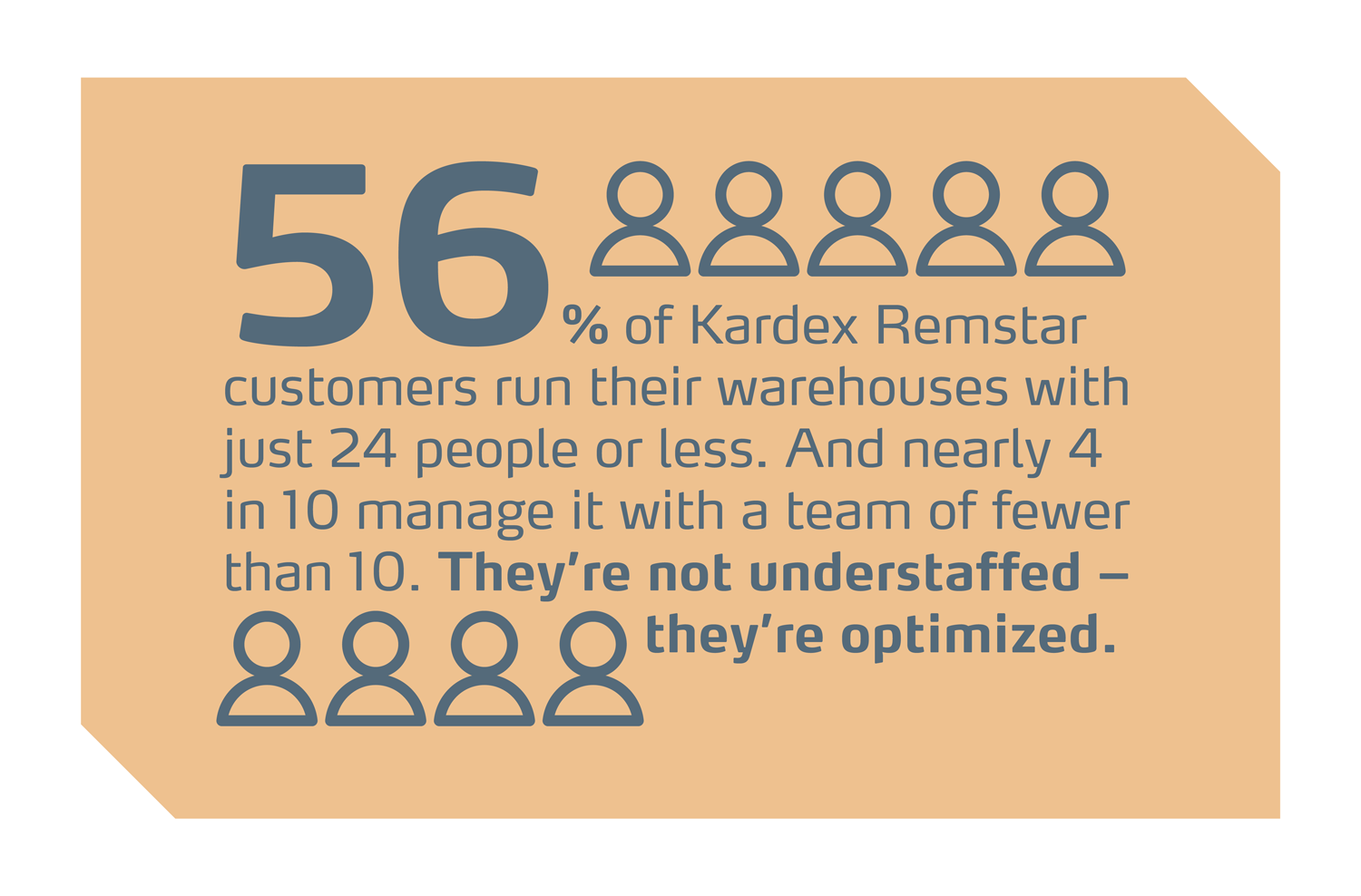
What are the main factors that affect the cost of a VLM?
The largest cost drivers are the size of the machine, its load capacity, and the performance features you choose. Environment (such as cleanroom or cold storage), software and WMS/ERP integration, delivery, installation, bins and dividers, and ongoing maintenance also influence the total investment.
Curious about the costs of other types of ASRS? Head on over to our guide here.
Is a taller VLM always more expensive?
A taller VLM usually has a higher total price but a lower cost per cubic foot. Most of the expense is in the controls, lift mechanism, and access opening. Extending the static storage height is relatively inexpensive, so in many cases, using more of your building’s clear height improves value rather than simply increasing cost.
What options tend to add the most to the price?
Big-ticket options include tray extraction devices for long or heavy items, multi-level or front and rear access openings, and advanced automation interfaces. These features are critical in specific applications, especially where ergonomics, multi-floor access, or automated material flow are priorities.
Are there low-cost options that are worth adding?
Yes. Features like enhanced photo eyes or light curtains, confirmation bars at the access opening, and basic guided picking tools usually add modest cost but can significantly improve safety, accuracy, and training time. In practice, most operations choose at least some of these because of their impact on performance.
How do environment and facility conditions impact VLM pricing?
Cleanroom, temperature-controlled, ESD-sensitive, or outdoor environments often require special materials, sealing, and safety measures that increase cost. Facility specifics such as low ceilings, heavy sprinkler or ductwork, narrow doors, and tight aisles can affect how the machine is designed, delivered, and installed, which also shows up in the quote.
What are the “hidden” costs people often forget about?
Commonly overlooked items include delivery and rigging, removal and disposal of old shelving or cabinets, totes and dividers, the labor required to move parts into the VLM, and refresher training after go-live. These are not truly hidden, but they are easy to underestimate if you have not been through an installation before.
Still not convinced? Here are 10 signs it's time to invest in a VLM.
Do I need software with my VLM, or can I use it as a stand-alone machine?
You can operate a VLM with basic onboard controls, but most warehouses see the best results when they add Inventory Management Software or connect to an existing WMS or ERP. Software drives inventory visibility, order picking logic, reporting, and user access, which directly affects labor savings and accuracy.
How much should I budget for maintenance and training?
Initial user training is often included, but it is important to plan for periodic refresher sessions, especially in facilities with turnover. Preventive maintenance should be budgeted for the life of the system. Industry guidance is clear that skipping scheduled maintenance increases the risk of unplanned downtime and reduces equipment life.
What is the typical ROI for a VLM?
Dynamic automated storage solutions such as VLMs often achieve payback in under 18 months, driven by labor savings, space recovery, and improved picking efficiency. Actual ROI depends on your starting point and goals, which is why many companies work with a vendor to build a project specific business case based on their own data.
Learn more about calculating the ROI of your VLM investment in our guide.
Can I expand or reconfigure my VLM system later?
Yes. VLMs like the Kardex Shuttle are modular in height and can often be extended or supplemented with additional units as storage and throughput needs grow. Internally, trays, bins, and dividers can be reconfigured or re slotted as your SKU mix and packaging change over time, which protects your investment and keeps utilization high.
Is it ever worth paying more for ergonomics and safety features?
In many operations, yes. Ergonomic features that reduce lifting, reaching, and awkward postures can significantly lower injury risk and related workers’ compensation costs. Some companies have justified VLM investments largely on ergonomics and safety because the cost of recurring injuries over several years can exceed the cost of the system itself.
Ready for your personalized VLM quote?
Our US-based team is here and ready to help you get started. Simply fill out our contact form, or reach out to our human-staffed chat during normal business hours.
See what happens during a Kardex site visit, step-by-step, here.
